Journal · 06/10/2026 · 5 min read
Where to start: a guide to the six novels
Six books, six heroines, six doors into the past. Which one to open first depends on what you are in the mood for — suspense, an investigation, a journey into another century or an old house with a secret.
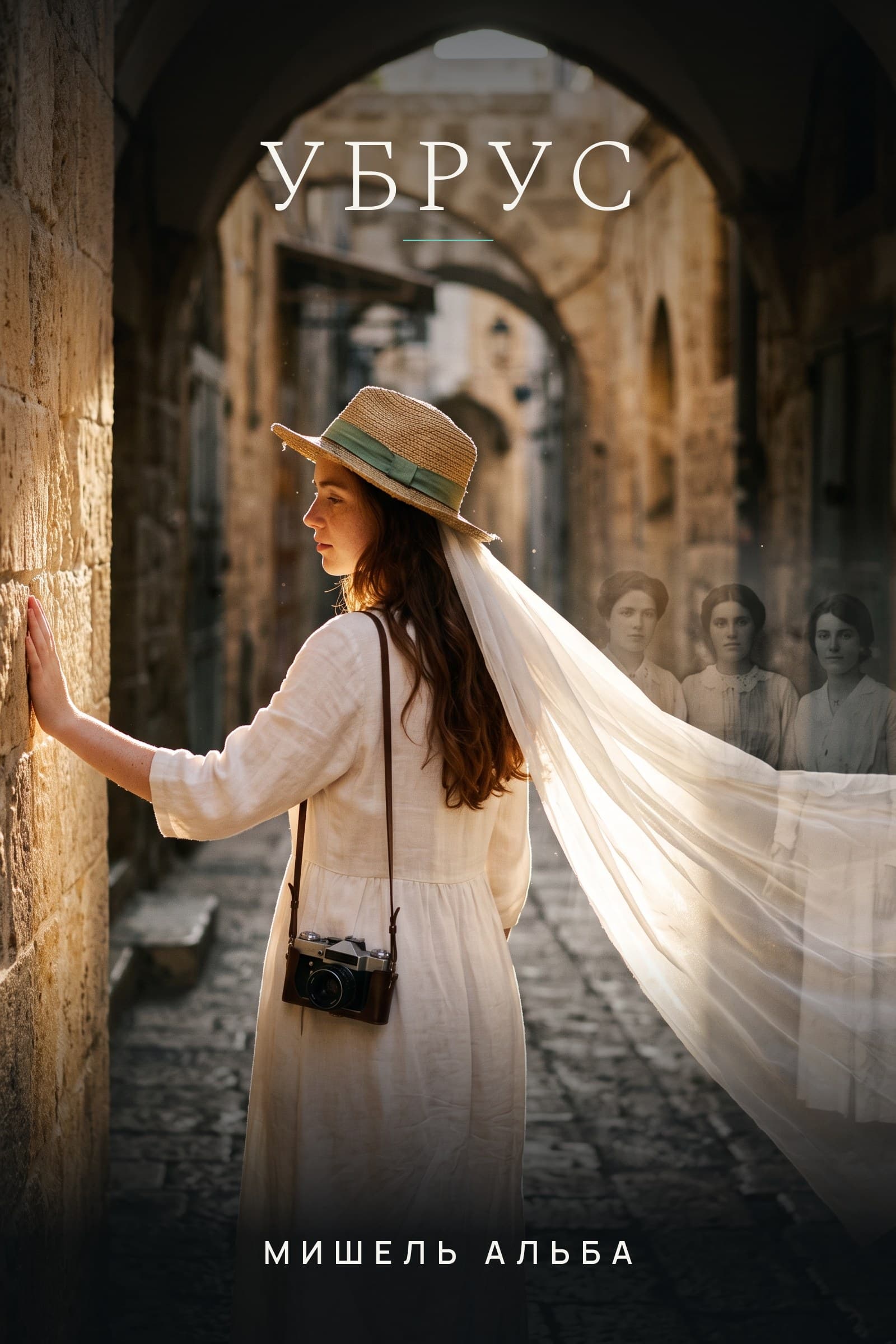
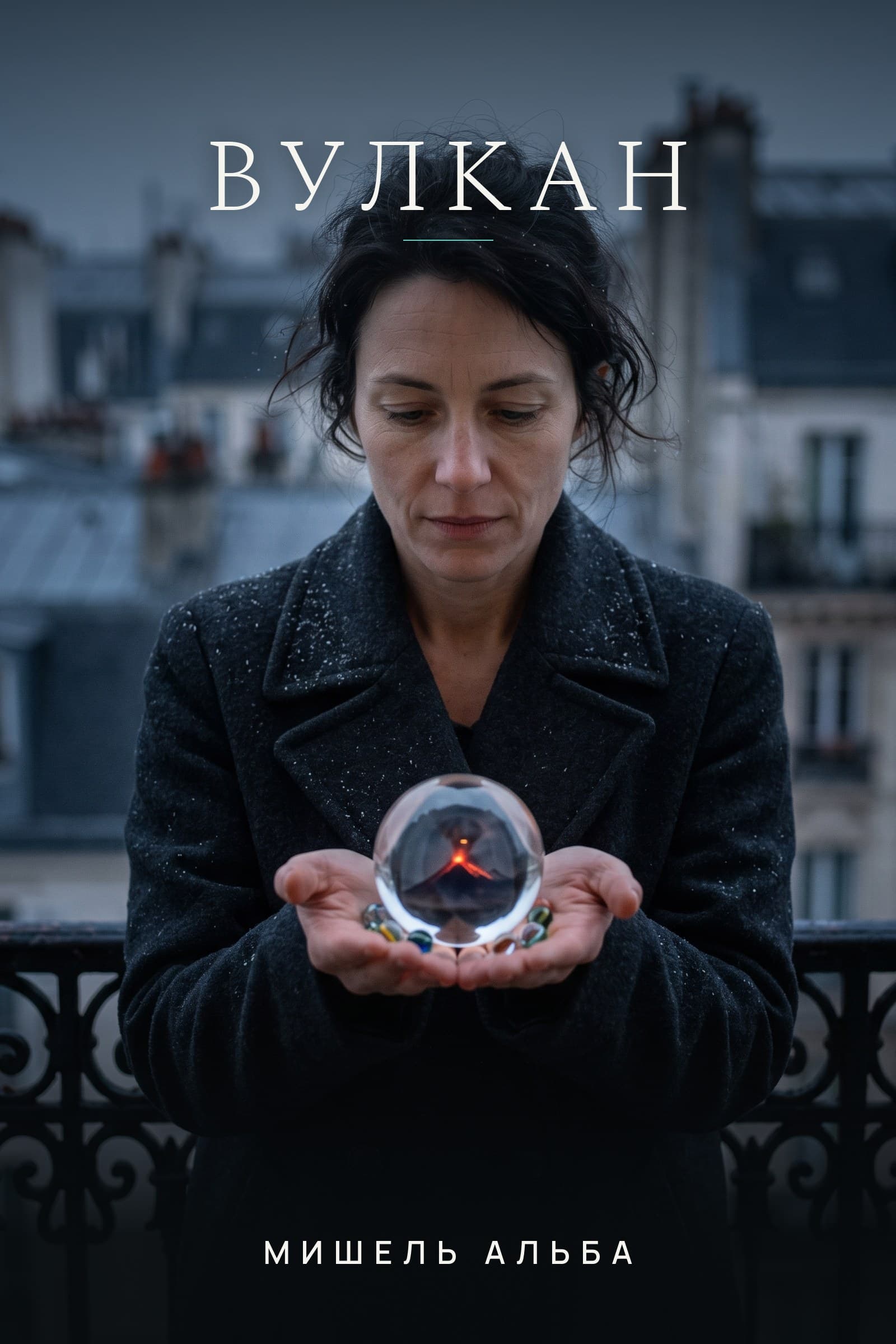
Each of the six novels is a complete story of its own. You can read them in any order: no heroine carries over from one book to the next, and none of the stories needs another to make sense. But every novel has its own voice, its own century and its own door into the past — so choosing where to begin is really a question of mood.
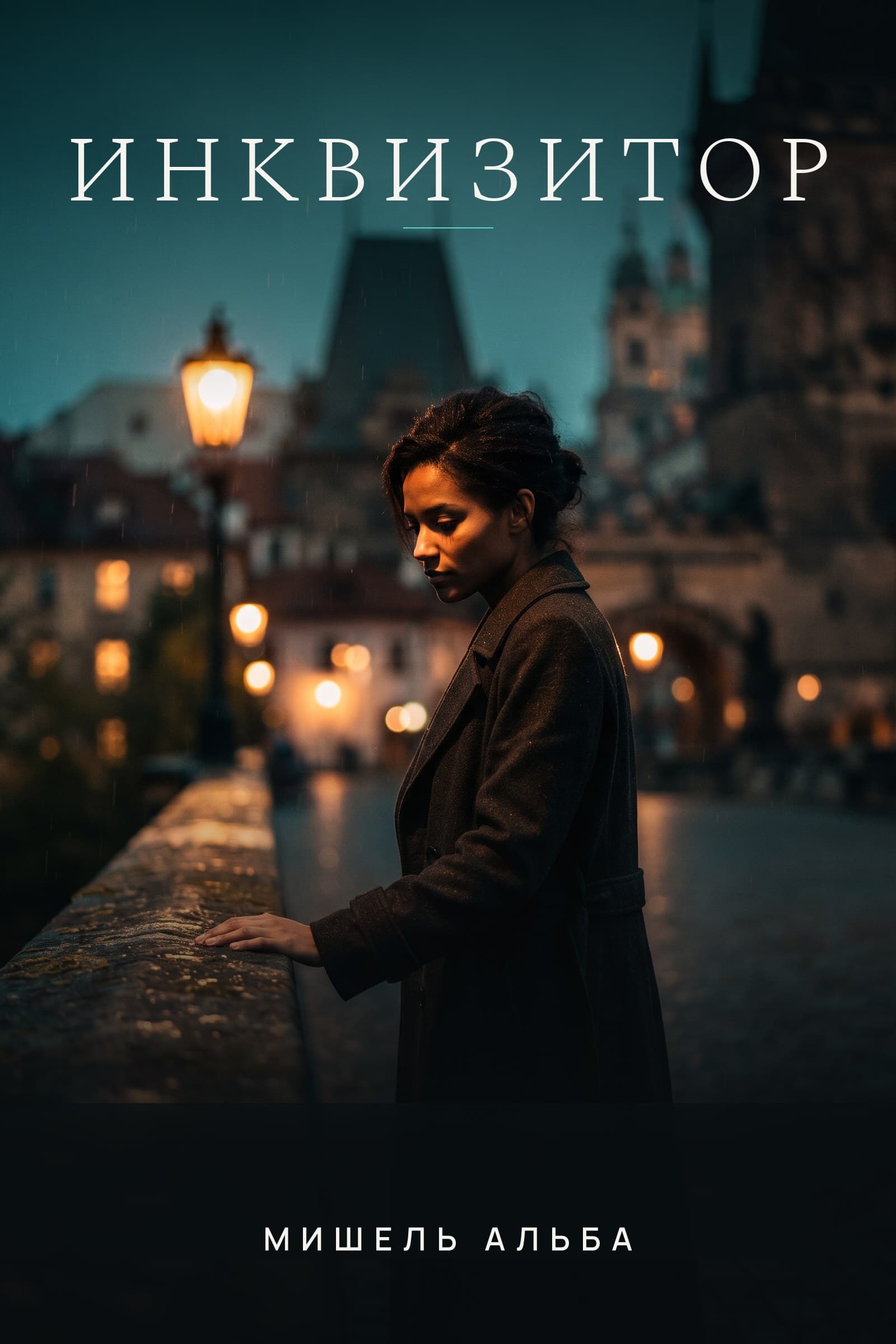
If you want suspense from the first page — The Inquisitor
Florence, at night. Doménik, a neuropsychologist who studies memory, comes home after a day of lectures in Siena — and finds a stranger in her house. He drugs her coffee, ties her to the bed and screws metal shutters over the windows. But Valerio is not a burglar. For two weeks he has dreamt the same dream, a pyre, and every morning the burns on his body are real. He is certain she is to blame, and he gives her three days: by his count he has three dreams left.
The night before, on a television show, Doménik had said that a dream might be the subconscious trying to remember a past life. Now she has to find out whether she was right. The answer leads to Milan in 1484 — a city of plague, of witch-hunts and of a girl named Cordelia.
It is the darkest and most gripping of the six. Start here if you like a book you cannot put down.
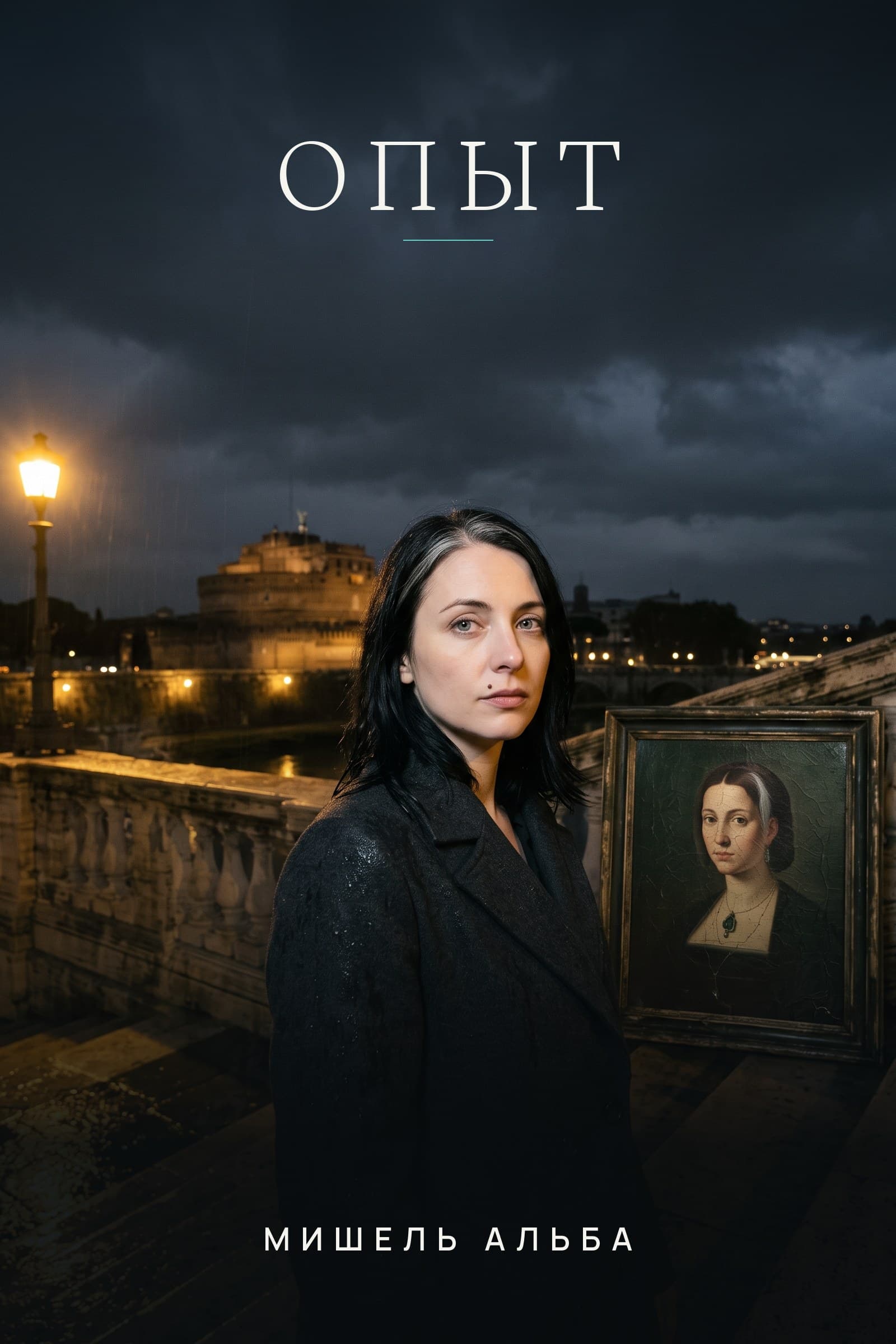
If you love a detective story — The Experiment
Rome, morning. Vanessa Gianini, a thirty-two-year-old journalist, cannot explain why she has driven to a red-brick house near the Spanish Steps where Patrizia di Orsi — heir to one of Italy's oldest families — was murdered in the night. Not long ago Vanessa survived clinical death and came back changed: the heart condition she had lived with since childhood has vanished, and in its place are gifts she never had. She can see through walls, read thoughts, tell a lie from the truth.
The trouble is that the evidence points to her, and she has no memory of where she was that night between three and five. Inspector Dario Bazzoni gives her a week. Her own investigation takes her to two astrologers, a gypsy camp and the di Orsi castle in Nerola, where, every second generation, a girl of the family dies a death that is not her own.
This is the funniest of the novels — a blood-stained wig and a tiramisu spoon both end up as evidence — and the one most in love with the simple taste of being alive.
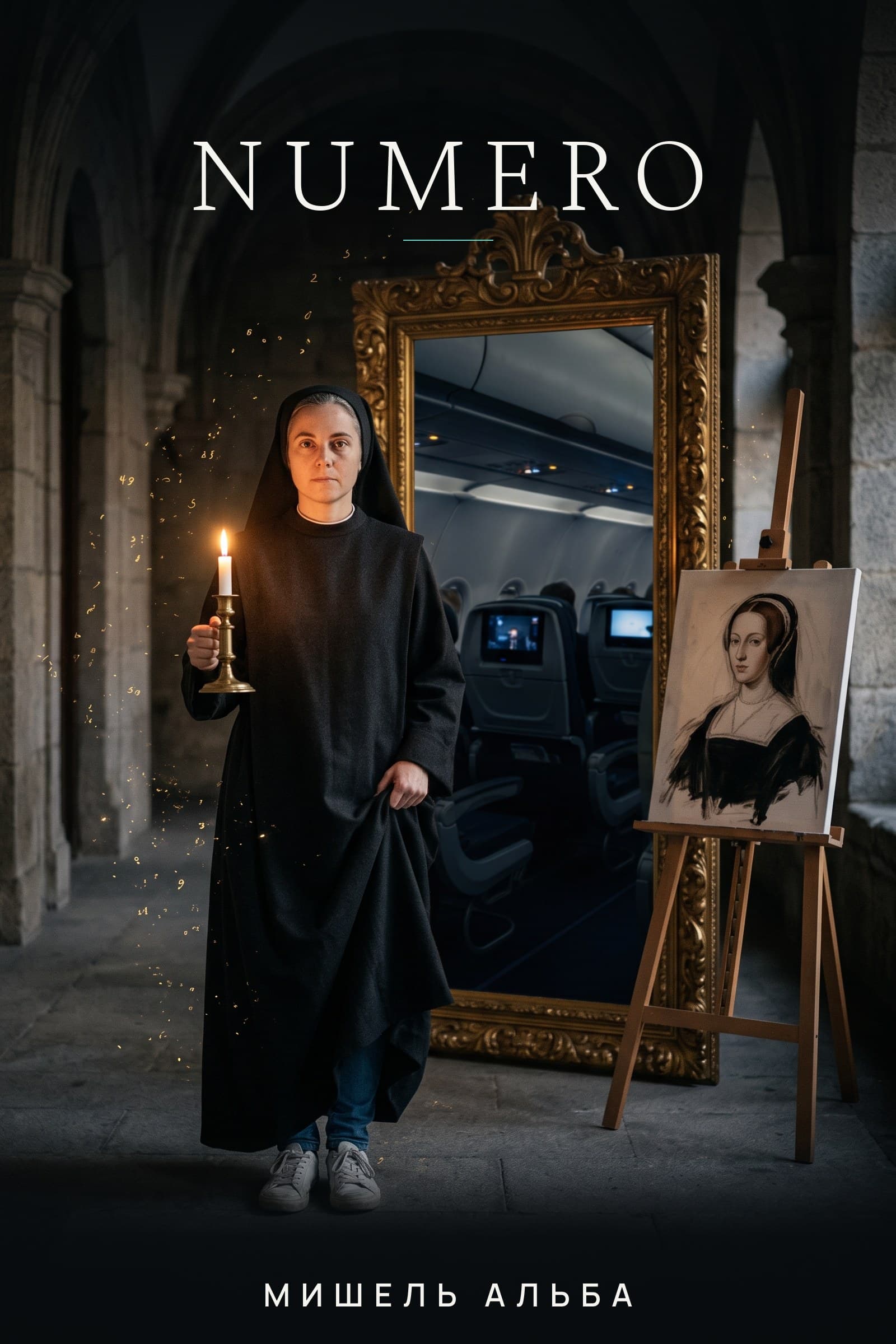
If you want to wake up in another century — NUMERO
Letisia, an art restorer from San Francisco, is flying to Madrid: the Prado has invited her to work there. To get through the long night flight she reads a booklet called «The Secret of Numbers» and, half in jest, works out the «number of destiny» for each of her eight given names. Then she disappears from her seat in front of the old lady sitting next to her.
She comes to in a narrow medieval lane with no memory, in jeans and trainers, holding a white travel bag. Boys nearby are talking about the witch who was burned the day before yesterday. This is the Madrid of Philip II. To survive, Letisia becomes Sister Laura, a nun who paints — and one day her brush takes her to court, to paint the portrait of the Infanta Isabella.
The most transporting of the six: convents, palace corridors, the smell of warm bread — and a love that might make going home the harder choice.
If you want the deepest of them — Ubrus
Véronique Lassar, a Paris photographer, has spent almost two and a half years in a coma: one rainy night an oncoming car rammed hers on a bridge and she went into the Seine. Her sister Suzanne refused to let the doctors give up and brought in one last hope from Israel — the hypnotherapist Nathan Versailles. Véronique wakes up, and it turns out she now speaks Hebrew without an accent and Latin with a Tuscan lilt.
In regression sessions she lives through her past lives — backwards, from the latest to the first: Italy in 1811, Rome sacked in 1527, the twelfth century. In every one of them she saves the same piece of silk, so fine it is like a cobweb. The road leads to Jerusalem, and to the first day of this story, two thousand years ago.
The longest and the most luminous of the novels. Keep it for a time when you can read without hurrying.
If you want a race against time — The Volcano
Valérie, a Parisian tour guide and interpreter who speaks nine languages, finds a letter from her long-dead mother hidden behind a picture. Every woman of their family dies on her thirty-fifth birthday. Valérie's is a month away.
At Montparnasse cemetery she finds the graves of her grandmother, great-grandmother and great-great-grandmother — each of them died on that same birthday. An old gypsy in Braşov gives her a glass sphere with an eye floating inside it. Look into it, and it pulls you back into your own earlier lives: Germany in 1943, a salon in 1817 where a young Pushkin cannot take his eyes off her, a convent in 1613, Spain, the Vikings. Somewhere among them the curse began. From each life she brings back an object, and each one is heavier than the last.
The shortest and fastest of the six — it can be read in an evening.
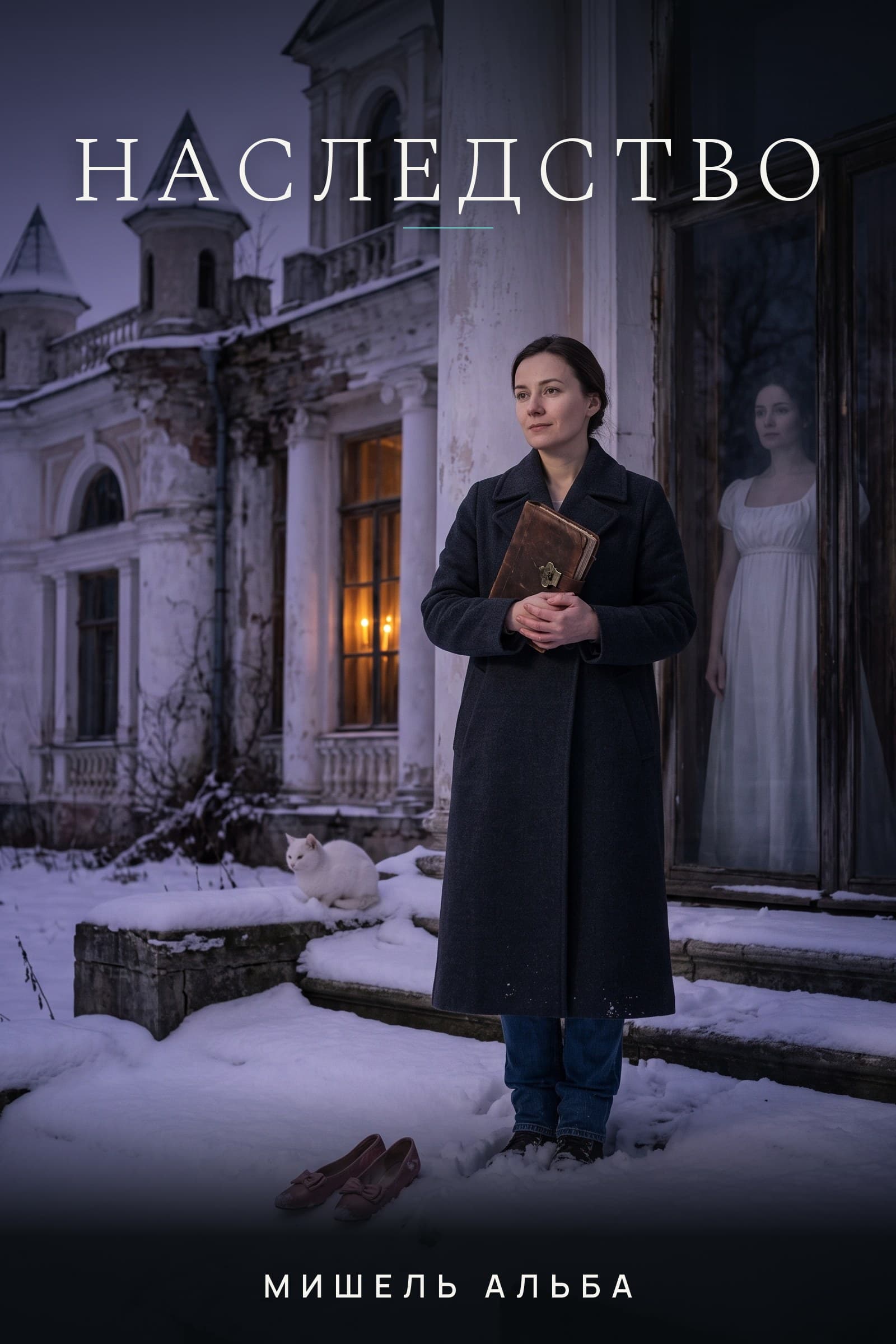
If you love an old house with a secret — The Inheritance
Sandra teaches English at a lycée in Vienna. One day a lawyer calls from Russia: she is a countess, and she has inherited the family estate in the Tver province, with a forest and a lake. A developer is ready to pay two million euros for the land. All she has to do is go and look at it.
The house has stood boarded up for more than a hundred and fifty years, and the locals give it a wide berth. Sandra tears the planks off the door herself — and above the fireplace finds the portrait of the woman she has been dreaming about for almost twenty years. It is her own face, dated «1819, April». Then she begins to see the house as it once was — the garden in bloom, the servants, an aunt, a cat — while they cannot see her. «So I am the ghost here!»
The cosiest and most Russian of the books, with one of the most frightening family secrets of them all.
If you prefer to read in order
The novels appeared like this: The Inheritance and The Volcano in 2009, NUMERO and Ubrus in 2010, The Experiment in 2011, The Inquisitor in 2012. Read in that order, you can watch the scale grow from book to book — from a single house in the Russian countryside to a story that lasts five hundred years.
What all six share
Every heroine is a modern woman who trusts reason, and none of them goes looking for a mystery. Each is handed her own door into the past — a memory sensor, clinical death, a row of numbers, hypnosis, a glass sphere, a pair of burgundy satin slippers — and each discovers the same thing: the past has not passed. It can be remembered. Sometimes it can even be put right.