Journal · 03/10/2026 · 3 min read
Mirrors and portraits: the face from another century
In almost every novel the heroine meets her own face where it cannot be — in a portrait above a fireplace, in a stranger's sketch, in a newspaper photograph. On the image that runs through all six books.
Read the six novels one after another and a single image keeps returning: a woman meeting her own face where it should not be. It is never a stranger's face. It is hers — in another century, at the moment of a choice that has not stopped echoing.
The portrait above the fireplace
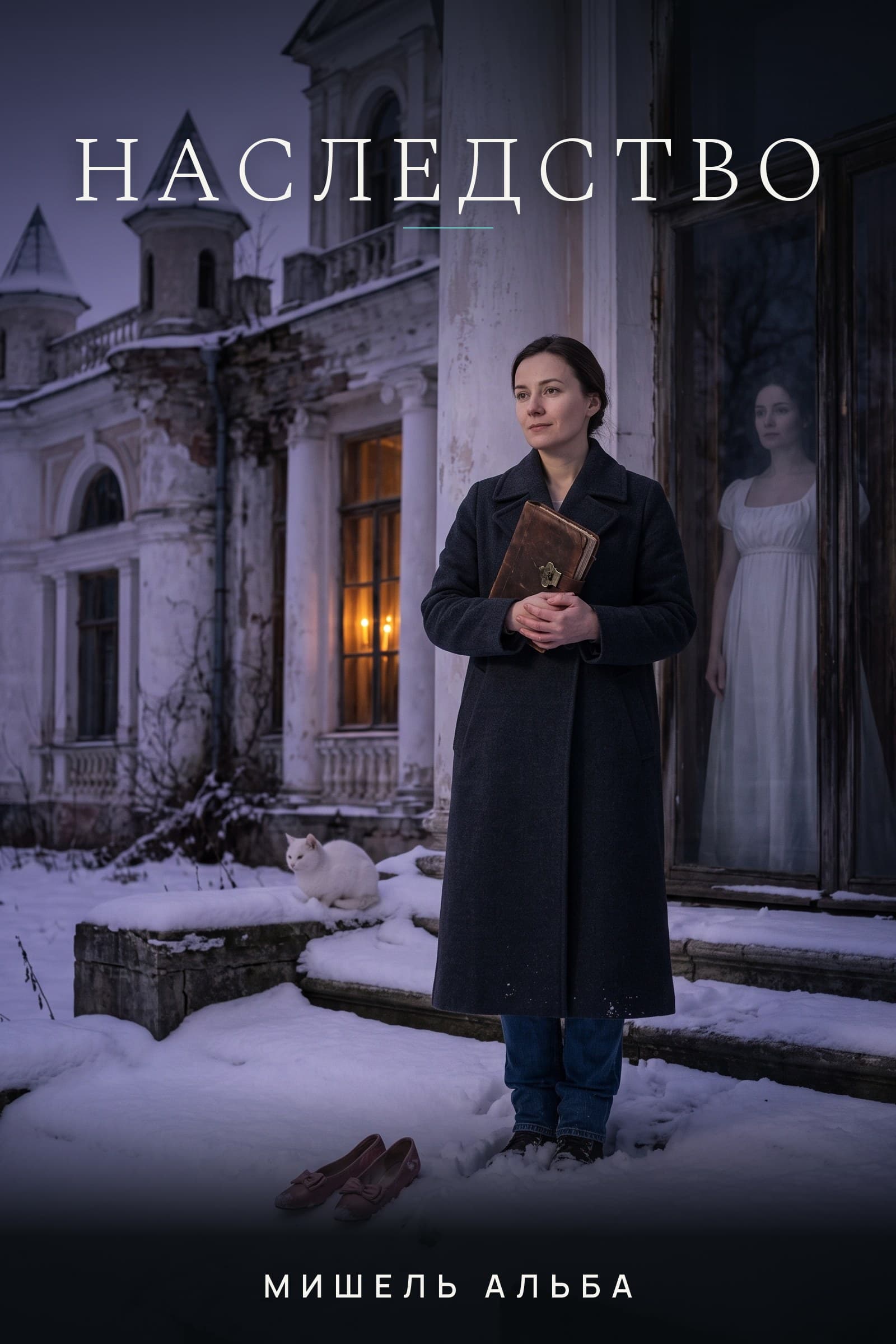
The clearest version is in The Inheritance. Sandra, a teacher from Vienna, tears the boards off the door of the family house in the Tver province that has stood shut for a century and a half. Above a fireplace carved with marble lions' heads hangs the portrait of a young woman. It is dated «1819, April». It has Sandra's face — down to the family nose with its barely divided tip. And it is the woman Sandra has been seeing in the same dream for almost twenty years: a ballroom, a marble staircase, and her exact double coming down it in a white dress embroidered with pearl flowers.
The woman in the portrait is Varenka, Varvara Lvovskaya, and the book is the story of how two women, two centuries apart, help each other. Even the portrait seems to speak: «Don't forget to take my portrait, you promised.»
A sketch of nothing but eyes
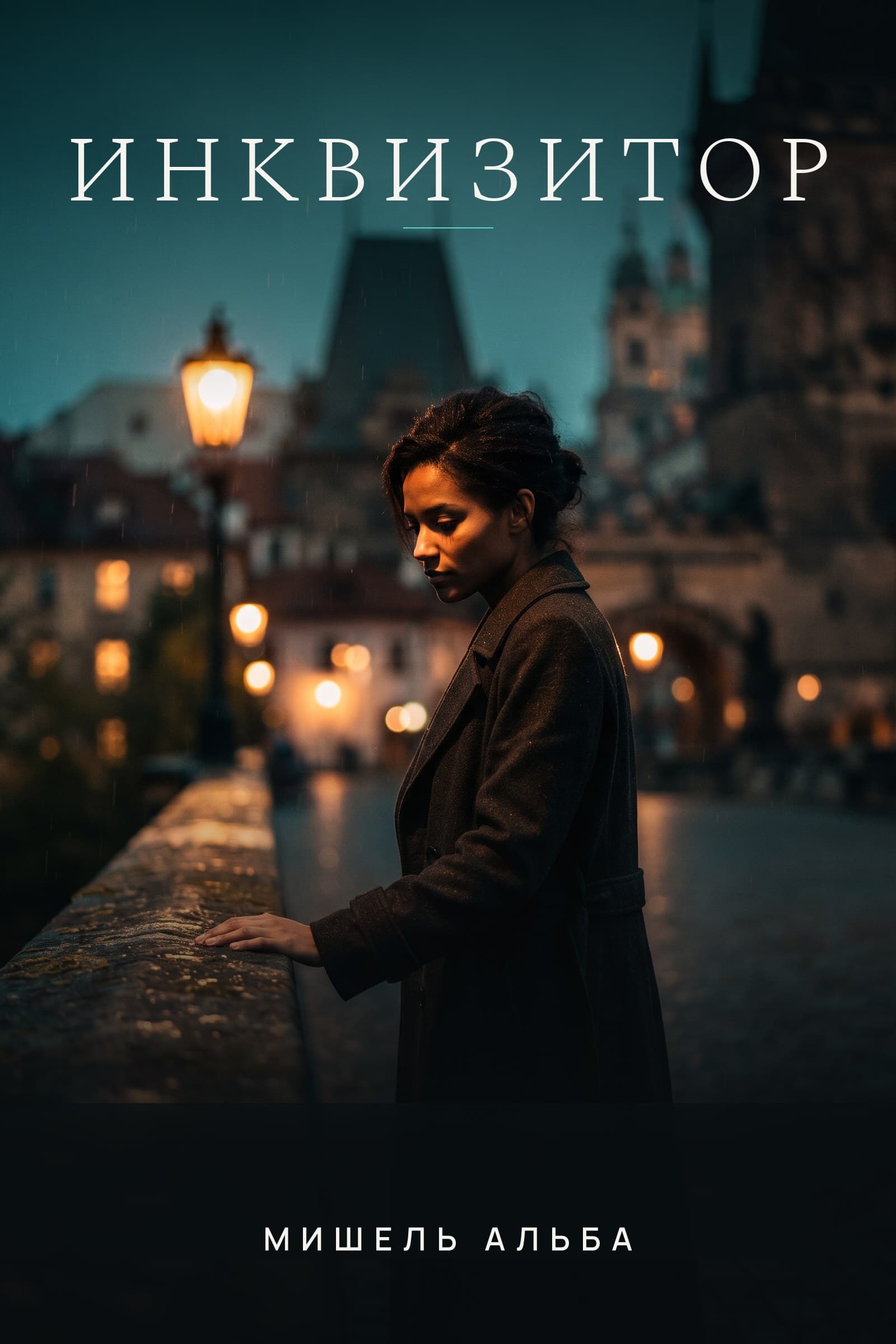
In The Inquisitor the face arrives in charcoal. Valerio, the stranger who breaks into Doménik's house, has been drawing his nightmares — «untidy sketches of raging fire». On the last one there is a girl at the stake, and Doménik recognises the eyes at once:
«Definitely familiar eyes. Like little boats sailing away towards the temples.»
They are her own. And in the past the same novel has another portrait: the one of Cordelia's mother that hangs in her bedroom, together with a simple ring with a small emerald — the ring through which the child first «saw» her family's secret.
A wig and a lady with an emerald
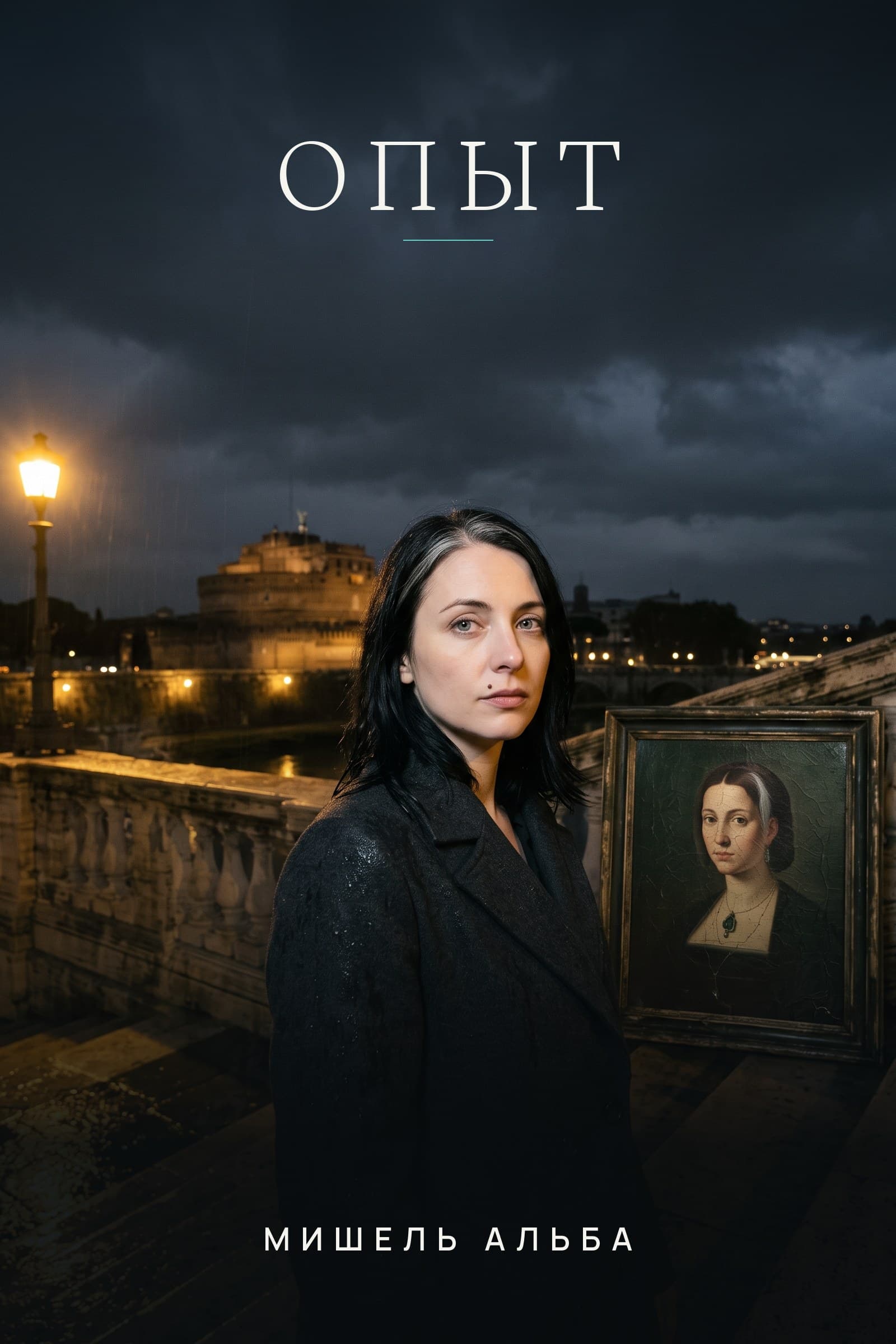
The Experiment turns the motif into a clue. In the murdered Patrizia di Orsi's house Vanessa finds a long wig, «black as night», with a wide grey streak on the right — and blood under it. Later, in a hidden room full of sixteenth- and seventeenth-century antiques, she finds the portrait of a lady of about twenty, with a magnificent emerald pendant and exactly the same hair. It is Brigitta di Orsi, who died in 1546. She was a painter too, and her last self-portraits, more and more distorted, were a warning to everyone who came after her.
The portrait she painted herself
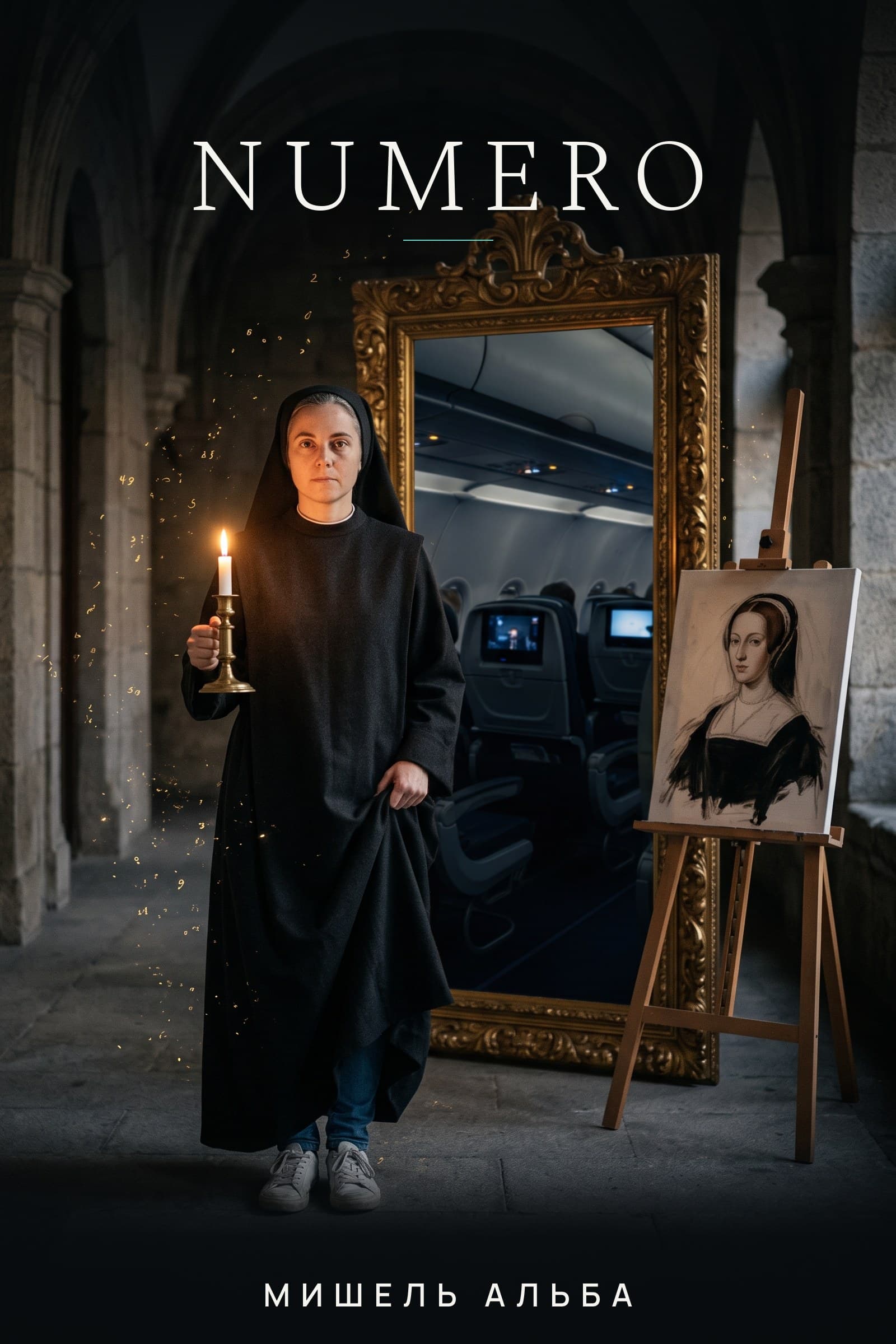
NUMERO plays the game the other way round. Letisia, a restorer from San Francisco, has always known that her family came from Madrid — there is a medieval portrait of some distant great-great-grandmother to prove it. Thrown back into the Madrid of Philip II, with no memory, she first fails to recognise herself in a huge oval mirror. Years later, as Sister Laura, she is sent to court to paint the Infanta Isabella: full length, her right hand resting on the back of a chair, a lace handkerchief in her left, and not a single symbol of royal power.
So when, back in the twenty-first century, a curator at the Prado shows Letisia a strange sixteenth-century portrait, the reader already suspects whose hand painted it.
A photograph that shows more
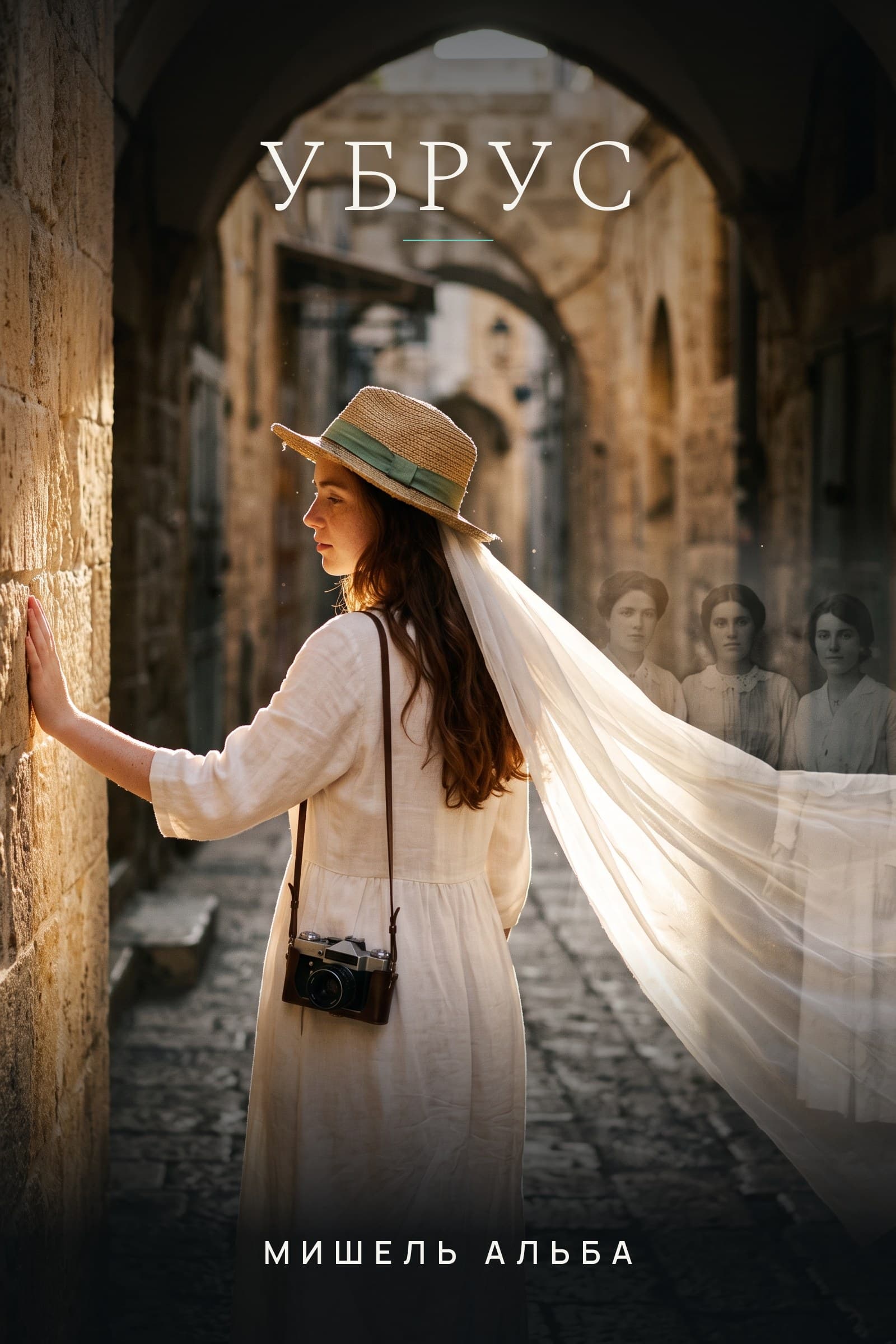
In Ubrus the double appears in the most modern way possible — in a newspaper. Véronique, a photographer just woken from a long coma, looks at a picture in which her sister and her doctor see only a shop window full of Easter china. She sees a girl. Herself. It is the first sign that her memory now reaches much further back than her own life.
Why mirrors are never just mirrors
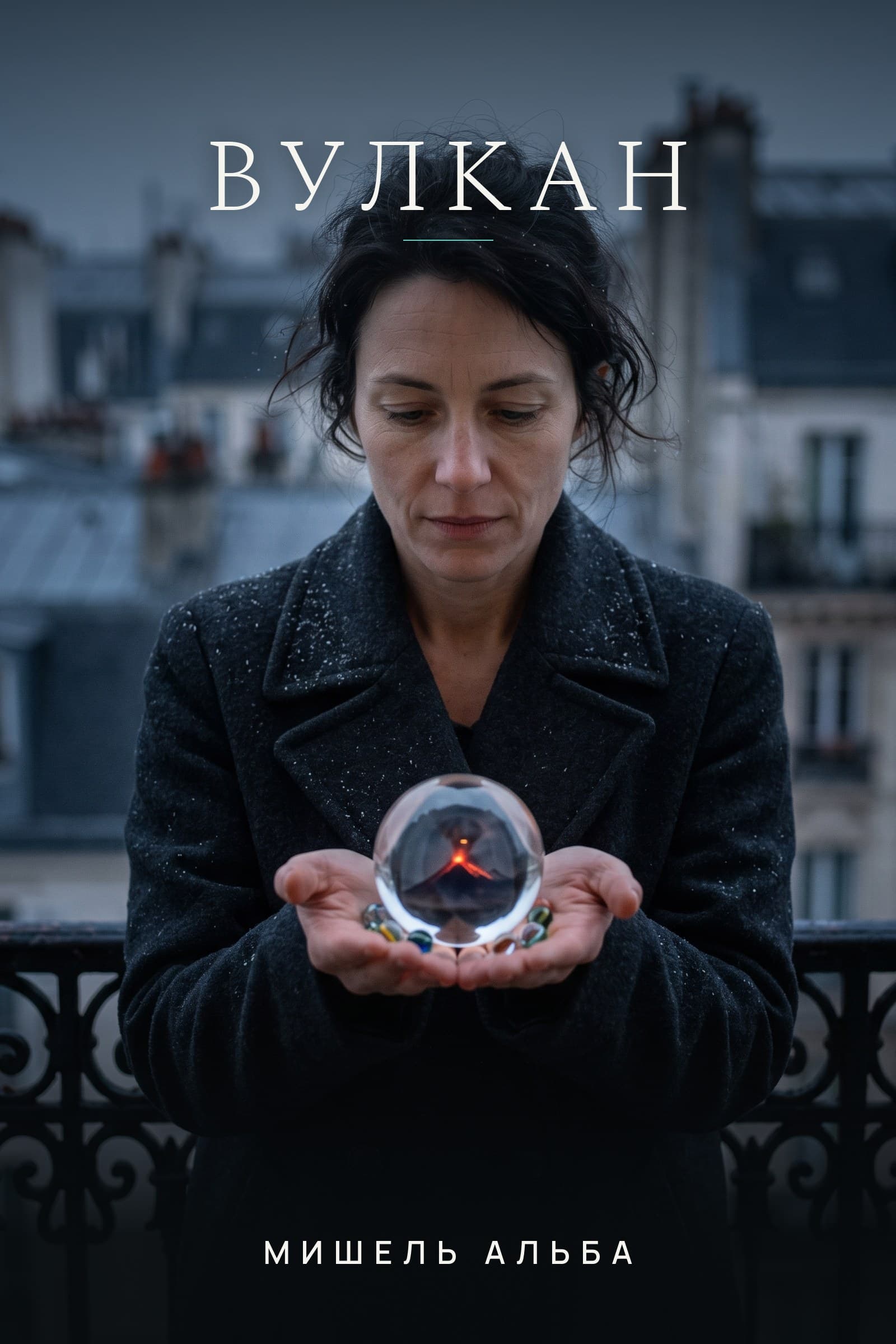
The mirrors in these books are just as insistent. At the start of The Inquisitor Doménik winks at herself in a mirror that covers half a bedroom wall. Cordelia studies the Venetian mirrors of the Lastore palazzo to see how much she has grown up. Sandra is frightened by her own reflection in a large oval mirror in Varenka's bedroom. Valérie in The Volcano catches her own «bewitchingly green» eyes.
None of this is a ghost story in the usual sense. The double is never an enemy. She is the heroine herself, met at the point where something was left unfinished. To meet her face to face is to understand what still has to be done — and that is why, in these novels, a mirror is sometimes a door.