
Journal · 13/09/2026 · 4 min read
The female line: curses, gifts and inheritances
Women who die on their thirty-fifth birthday. A girl of an old family who dies every second generation. Anger that kills. On the family secrets that pass from mother to daughter in The Volcano, The Experiment and The Inheritance.
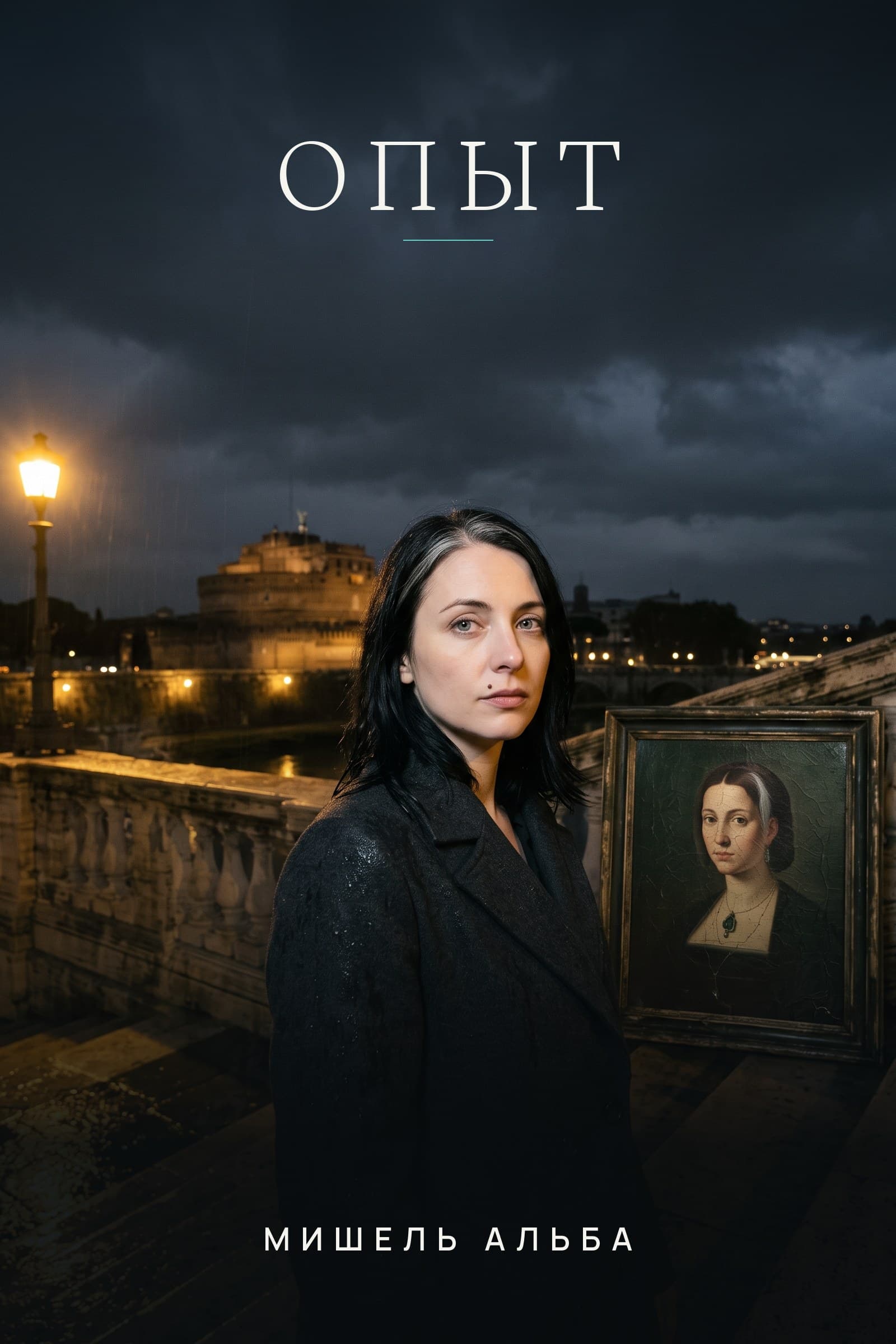
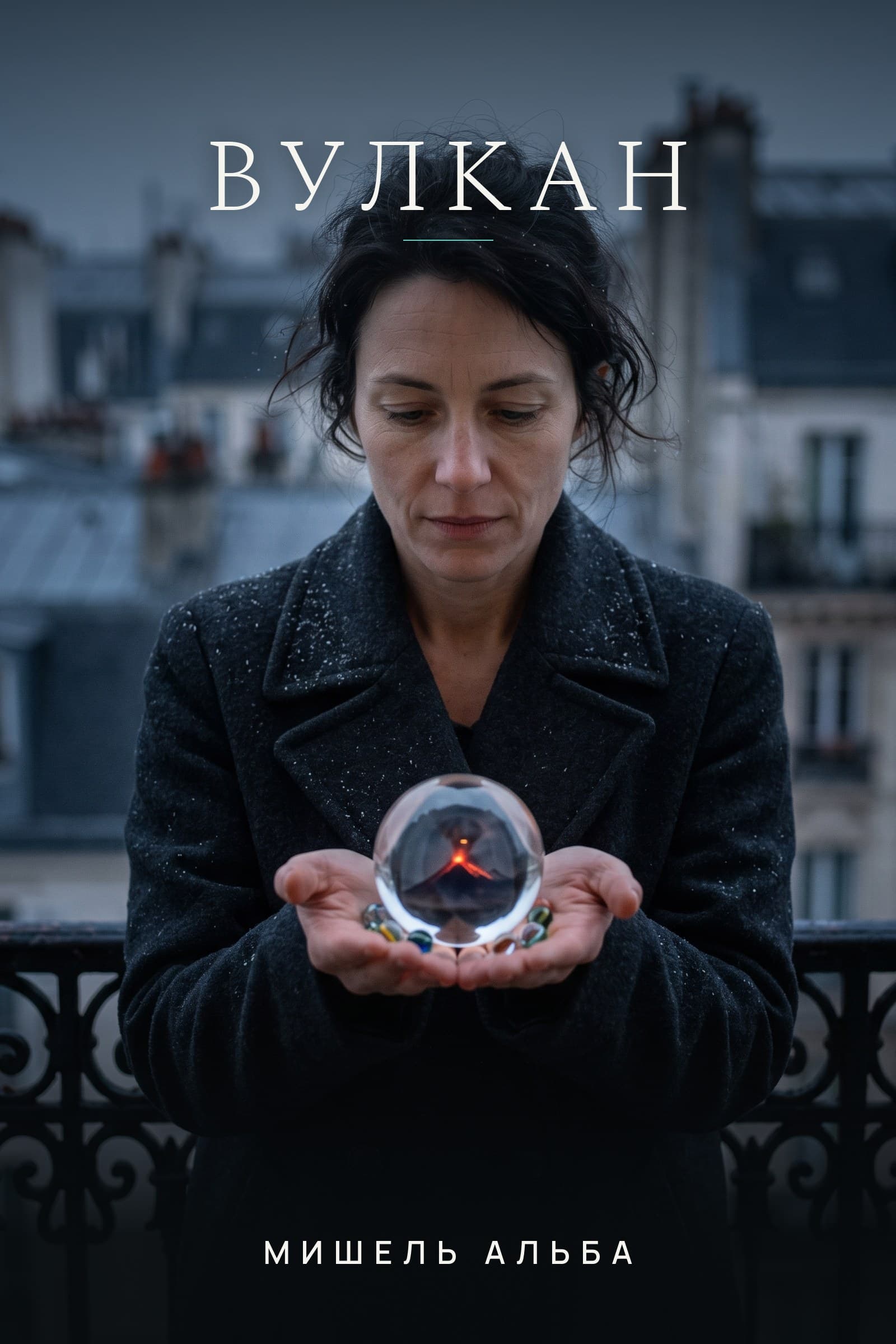
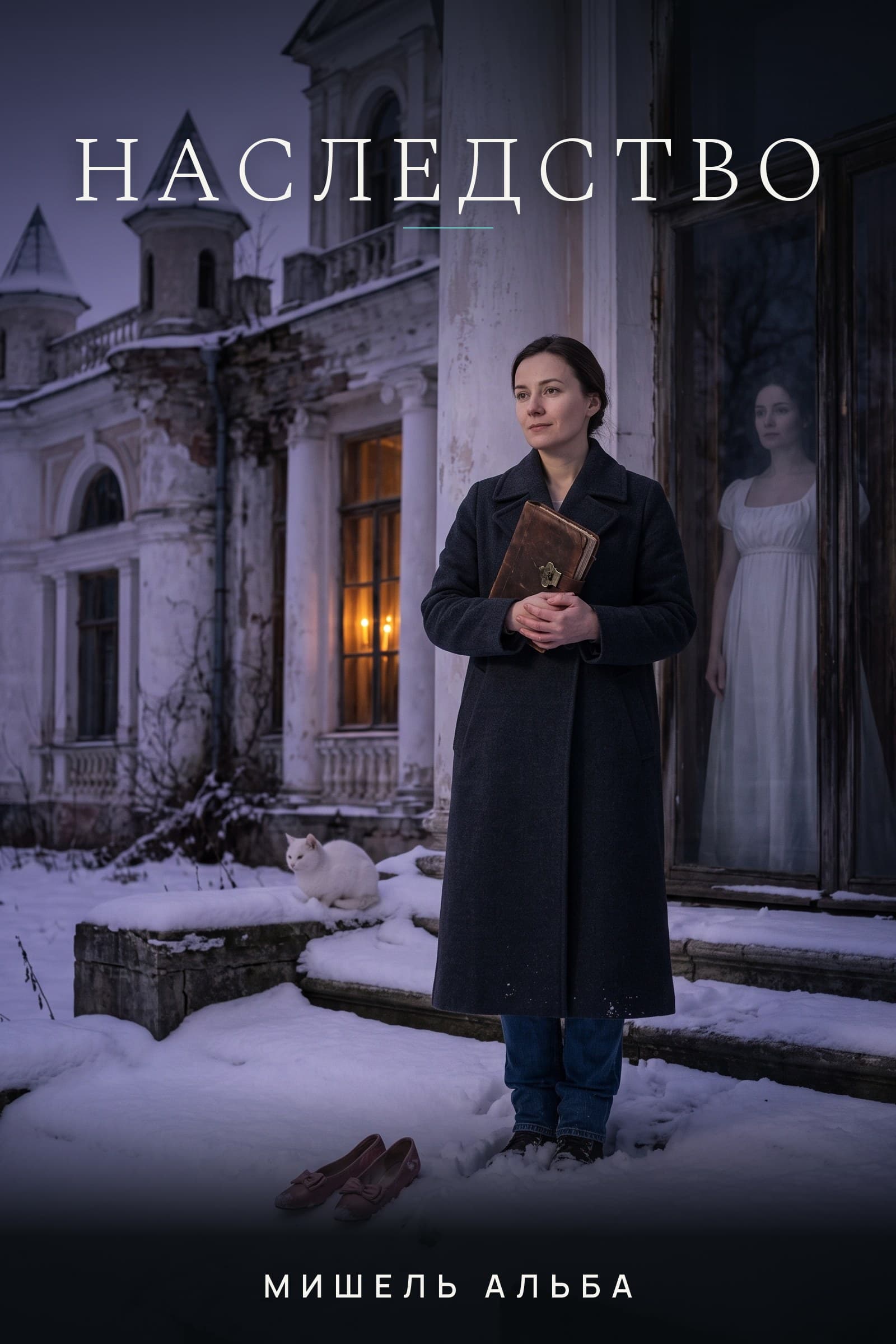
Three of the six novels are built around the same dark idea: something that is passed down through the women of a family, generation after generation, like eye colour or a turn of the nose. In The Volcano it is a date of death. In The Experiment it is a death that is never natural. In The Inheritance it is a gift — and a curse — that lives in anger. Each book asks the same question in its own way: if you inherit this, are you obliged to pass it on?
The Volcano: the thirty-fifth birthday
«I am Valérie Patricia Anna.»
That is how the shortest of the novels begins — with a full name, the way it reads in official documents. Valérie is a Parisian tour guide and interpreter, she speaks nine languages (Russian among them, learned for a bet with a friend), and she lives in her own modest house with a little garden. Her father disappeared when she was four. Her mother died in a car crash on her thirty-fifth birthday, when Valérie was barely fifteen.
She remembers her mother saying every morning: «Well, what surprise is waiting for us today?»
«She was young, beautiful and full of life… And only now did I understand that she was simply in a hurry to live.»
Then her aunt finds a letter hidden behind a picture. Every woman of the family dies on the day she turns thirty-five. «Have time to give birth to a child.» Valérie's birthday is a month away. At Montparnasse cemetery she reads the stones on the family plot — her grandmother, her great-grandmother, her great-great-grandmother — and every one carries the same terrible arithmetic.
What makes the book more than a horror story is Valérie herself. «Fatalism is not part of my set of beliefs,» she says. An old gypsy in Braşov tells her the curse is following her family — «and it will end with you. But how — that is for you to decide.» So she goes looking for the life where it began, through a glass sphere with an eye in it, from Germany in 1943 to a Russian salon in 1817, a convent in 1613, the Vikings — and Pompeii on 24 August of the year 79, where the novel's prologue has already shown a mother under falling stones, begging a passing woman to save her baby daughter.
Woven through the book is a line from Saint Bernard that Valérie reads in one of her lives:
«If we had no will of our own, there would be no hell.»
The Experiment: every second generation
In The Experiment the curse belongs to an old Italian family, the di Orsi, whose coat of arms shows a bear risen on its hind legs with a red rose in its front paws. According to the family legend, every second generation a girl of the di Orsi dies a death that is not her own. Brigitta, a painter, died suddenly and mysteriously in 1546. Santina put on a ring with a devil's head. And now Patrizia has been murdered in her house near the Spanish Steps.
An astrologer drew up three birth charts for Patrizia — hers, Santina's and Brigitta's — and found them «absolutely identical». After a trip to the family castle in Nerola he lost his mind. Vanessa, the journalist accused of the murder, has to untangle a story that runs from the family castle in Nerola in 1543 to a Roman bedroom today.
Here the curse is not in the blood at all. It has a will of its own — and the novel's great theme is the difference between choosing «the experience of life» and «the experience of death».
The Inheritance: anger that kills
The quietest of the three is the most frightening. Sandra Lvovskaya, a teacher in Vienna, inherits a Russian estate — and with it the diary of her ancestor Varenka, written between 1814 and 1835 and inscribed «To my heiress». The first entry is from 16 June 1814, the day Varenka's fiancé broke off their engagement:
«I cannot confide in anyone. But it is hard for me to cope with this pain alone. Perhaps the diary will help me.»
Page by page Sandra learns what Varenka learned about herself: that her anger kills the people who hurt her. That society whispered about her, that a princess died after one of her balls, that an investigator came to call and a priest called her possessed. And then Sandra recognises the same force in herself.
The book's answer is not a fight with the past but a meeting with it. Varenka spent a year preparing for a rite with candles consecrated in Jerusalem and three days without food or water. Sandra, two centuries later, has to find her own way through. «We helped each other» — that is the shape of the story.
Why the female line
It is no accident that these curses run through women. In all three books the inheritance is also a kind of motherhood: the mother in Pompeii begging for her daughter's life, the aunt who raised Valérie, the letter left by a mother who knew she would not see her daughter grow up, the diary addressed to an heiress who had not yet been born. What is passed down is not only fear. It is love, and the stubborn hope that the next woman will be the one to break the chain.
And in each novel, in her own way, she is.