Journal · 20/09/2026 · 4 min read
Six doors into the past
A memory sensor, clinical death, a row of numbers, hypnosis, a glass sphere with an eye inside, a pair of satin slippers. Each heroine gets her own way into another century — and each door says something about the woman who opens it.
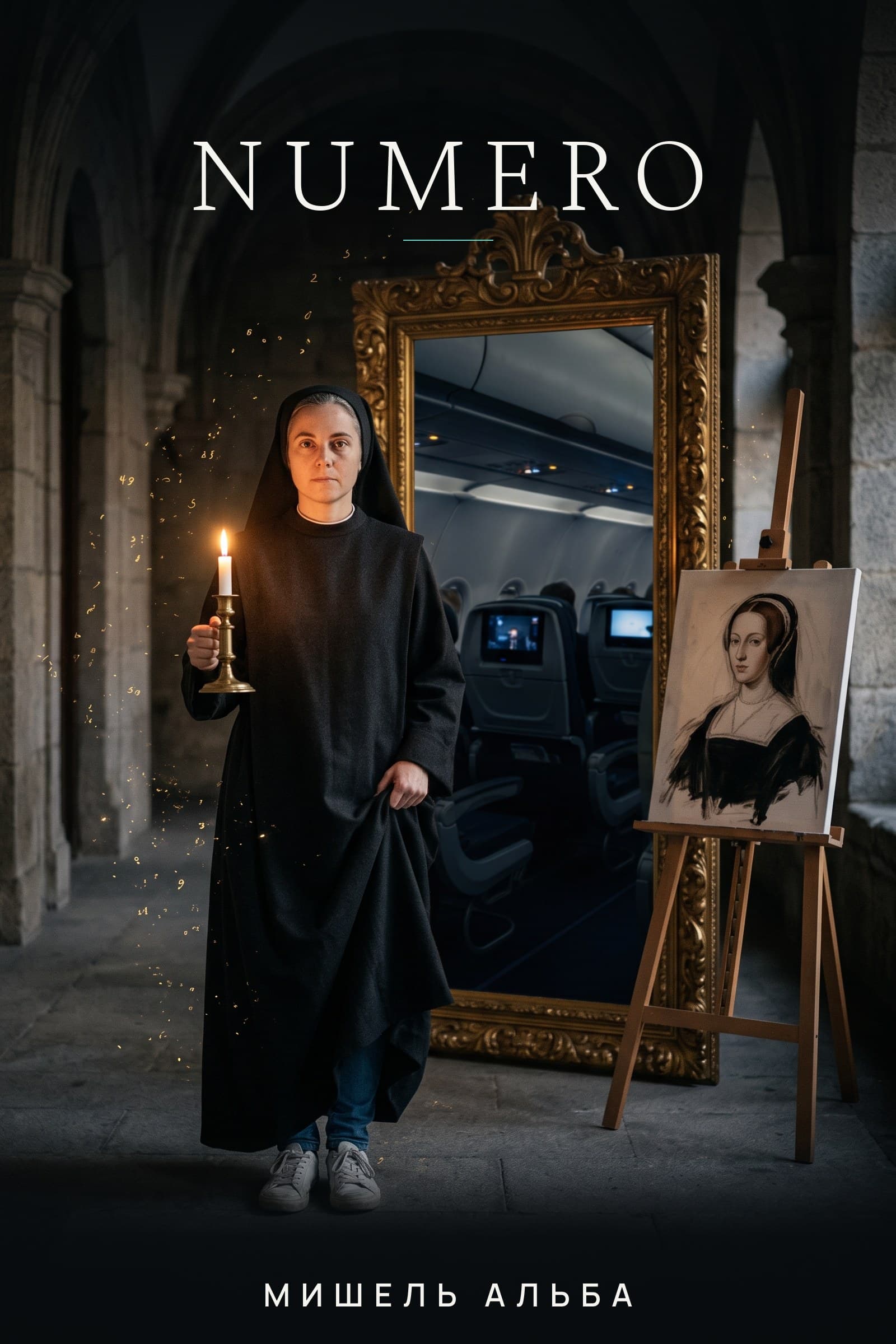
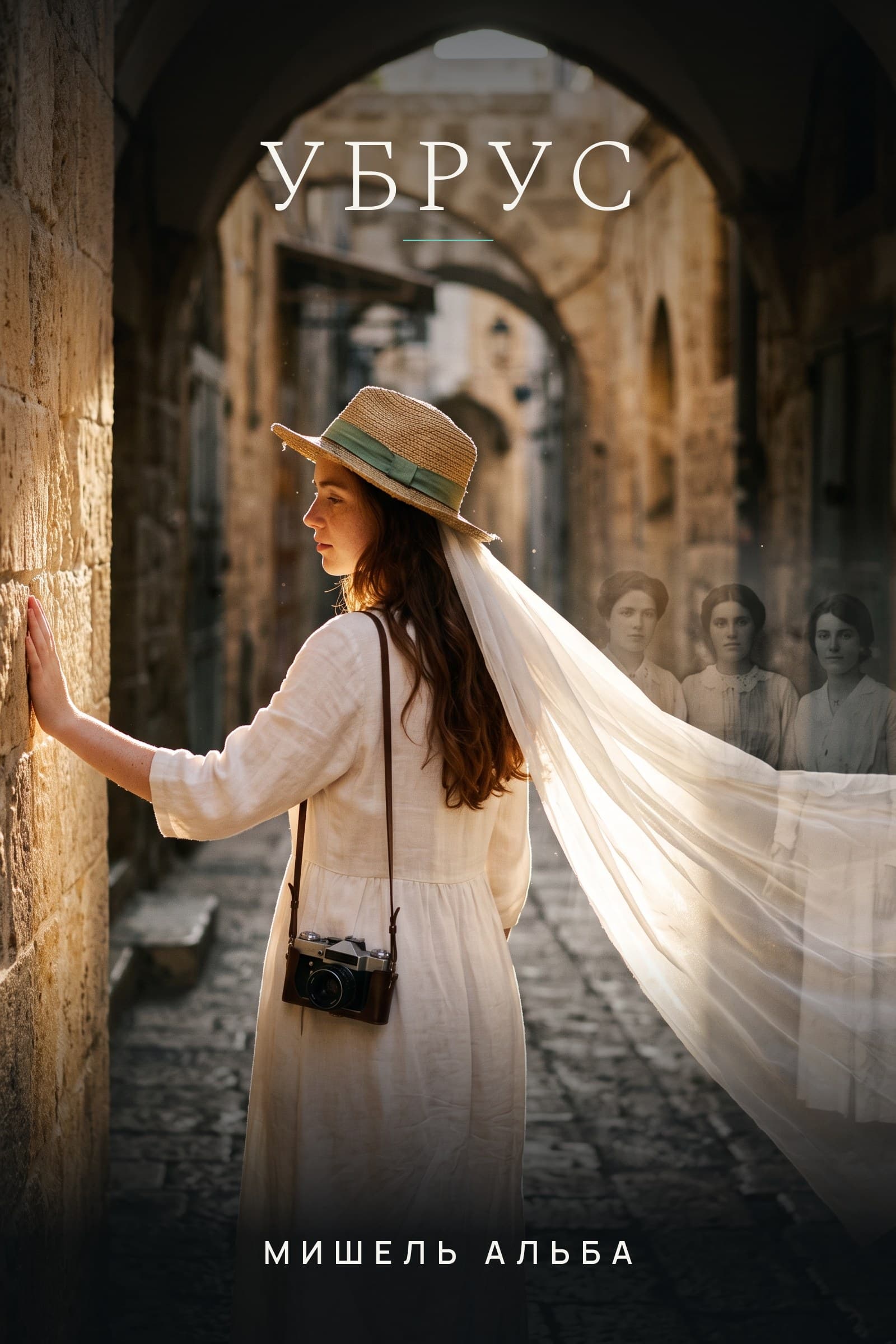
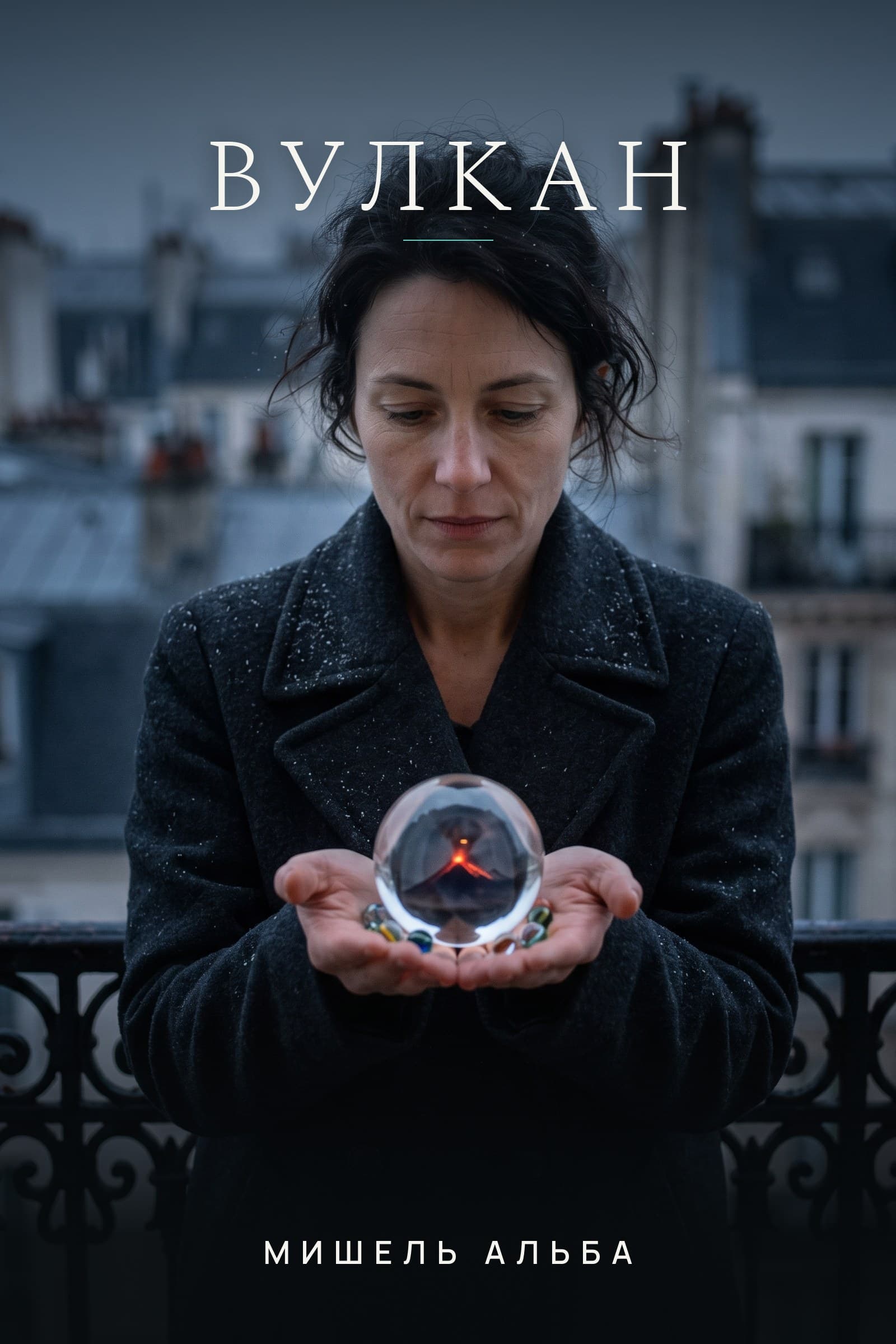
None of Michelle Alba's heroines goes looking for the past. They are a neuropsychologist, a journalist, a restorer, a photographer, a tour guide and a teacher — women who trust reason and have plenty to do in the present. The past comes for them. But it never comes the same way twice: in every novel the door into another century is different, and it always fits the woman who has to walk through it.
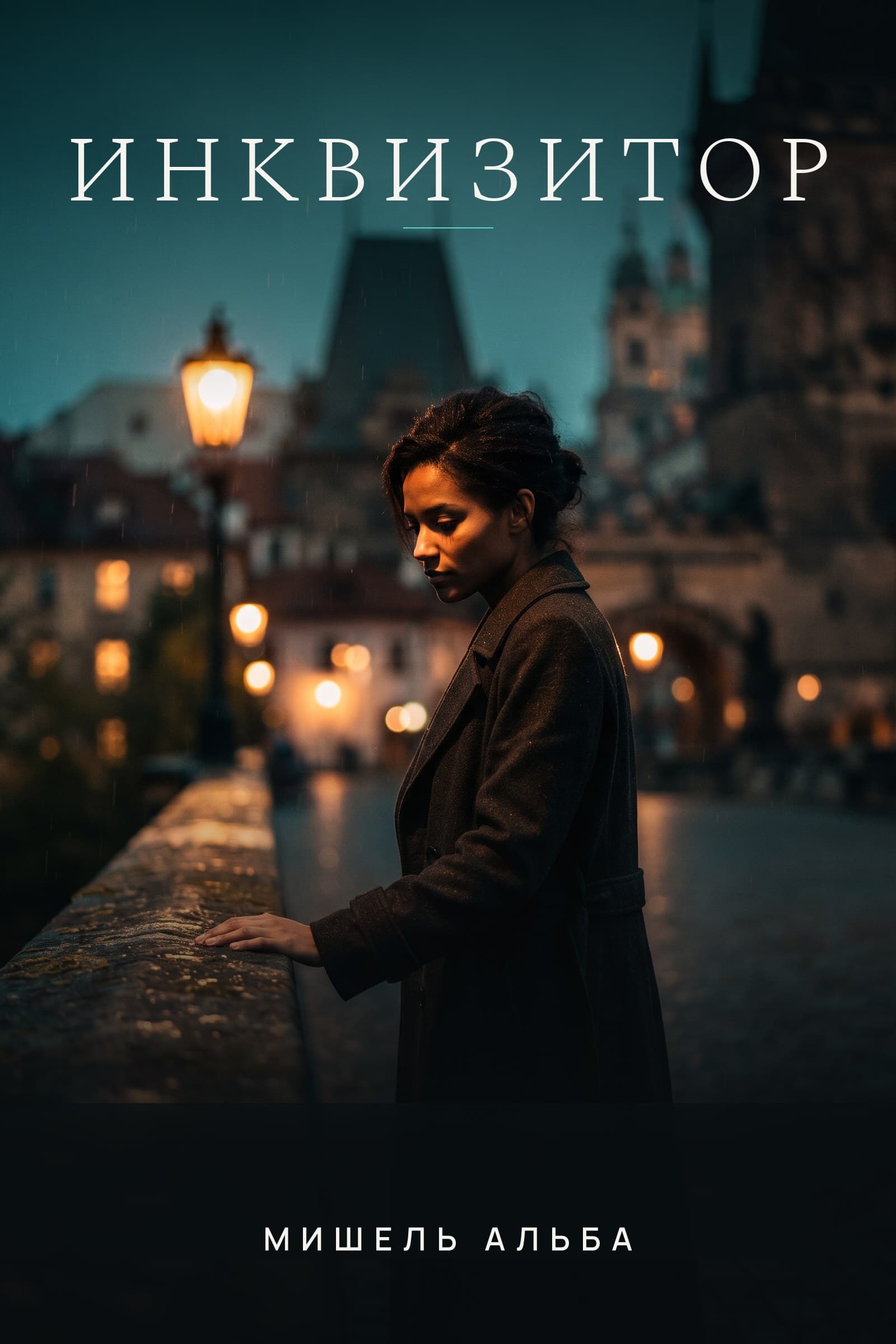
The Inquisitor: a sensor called «the spider»
Doménik is a scientist, so her door is a piece of laboratory equipment. Her team studies memory with a sensor they call «the spider» — a tiny device that clips to the back of the head and weaves, step by step, a «web» of the information field of memory. In an experiment on a rat named Rensi it went further than anyone expected: it reached a memory from before conception.
When a stranger who burns in his sleep gives her three days to save them both, Doménik does what a scientist does. She tests the hypothesis on herself. The door into Milan in 1484 opens from a laboratory.
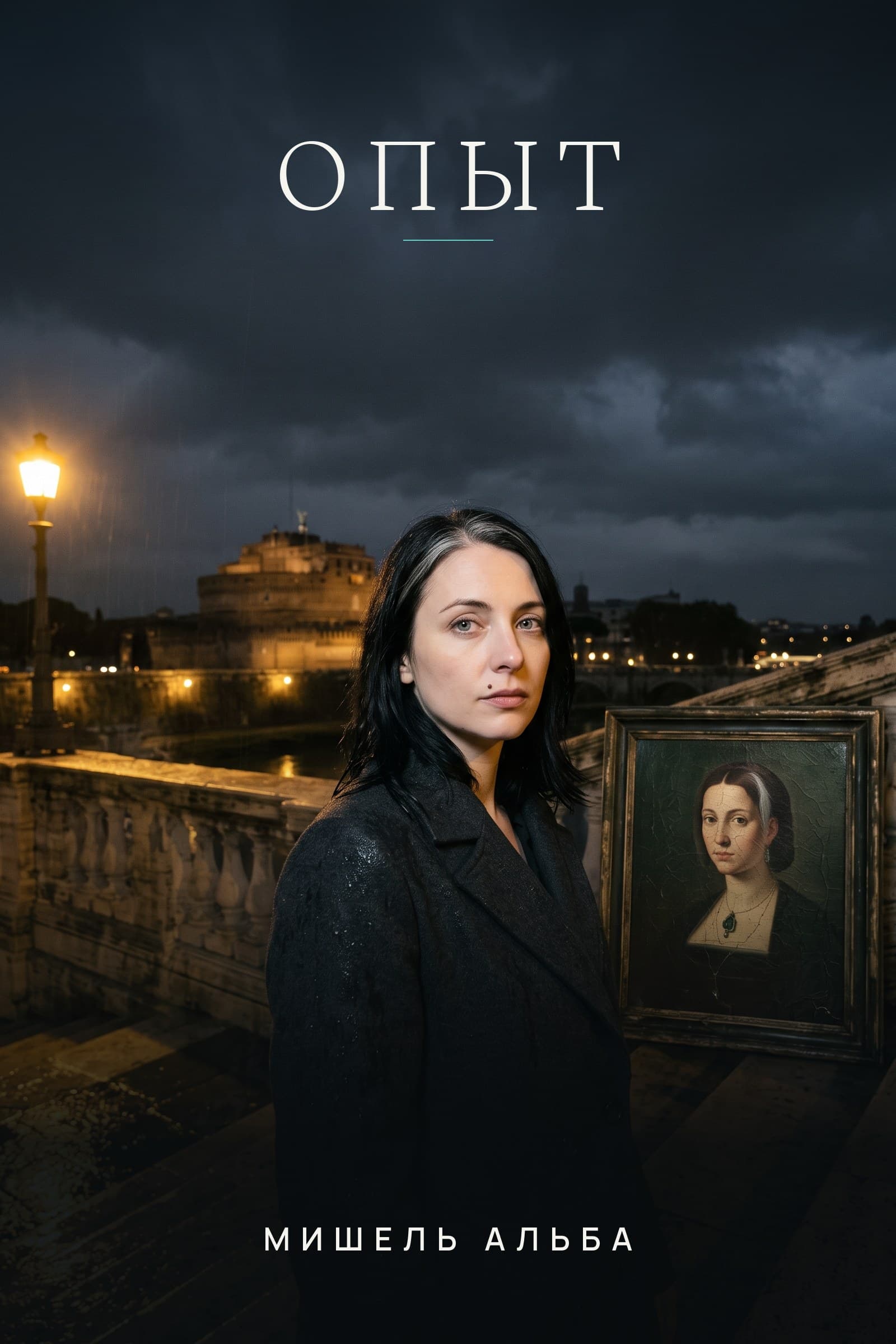
The Experiment: clinical death
Vanessa's door is the most radical of all. The novel begins at the moment of her clinical death, and the narrator of the prologue is not quite Vanessa. Someone enters her body during the resuscitation — someone who calls herself an Angel and has been sent to «restore the balance in a certain very tangled story».
«So the experiment had begun.»
The «experiment» of the title is life itself. Vanessa wakes up with the heart disease of her childhood gone and with gifts she never had. She can see through walls and read thoughts — but what moves her most is rain on her palm, the taste of tiramisu, a gust of wind. The door here does not lead into a past life. It leads into a murder case — and into the experience of being alive.
NUMERO: a row of numbers
Letisia is a restorer, someone who spends her days looking for the hidden layer under the visible one, so her door is a code. On a night flight from San Francisco to Madrid she reads a booklet called «The Secret of Numbers»: «The number of destiny is determined through the numerological analysis of all the letters of your full name...» She has eight full names. She works out a number for each — and disappears from her seat.
In the Madrid of Philip II the same numbers keep returning in her dreams: «3 … 22 … 7…». Whenever she repeats them, her body vibrates «as if a tuning fork had settled inside me». The code that took her away may be the code that brings her home. The only question is whether she still wants to go.
Ubrus: coma and hypnosis
Véronique has been in a coma for almost two and a half years, «immured» in it, as the novel puts it. Her door is opened from outside, by another person: Nathan Versailles, an Israeli hypnotherapist who studied at Oxford, meant to become a neurosurgeon and changed course after he «looked to the other side of life».
«Come again.» «Yes. Soon.»
Under hypnosis Véronique lives her past lives in reverse order, from the latest to the earliest. And later the door stops needing hypnosis at all: by the stones of Jerusalem's Old City she crosses into the ancient city while fully awake — and brings bruises back with her.
The Volcano: a glass sphere
Valérie's door is the most fairy-tale of them, and she gets it from a gypsy in Braşov, hung with beads and rings, in a little house that smells «half of wormwood». It is a glass sphere. Inside it floats an eye with a spiral pupil. When Valérie looks into it, the liquid begins to shine with all the colours of the rainbow, to boil — and to pull her in.
«And what was happening was that I was being swallowed. By eternity.»
Each journey lasts fifteen or twenty hours while her body lies at home in Paris. And from every life she brings back a souvenir: a homemade aluminium cross, an autograph by Pushkin, a scrap of a shirt. The sphere grows heavier each time. It will stop shining only when she reaches the life where her family's curse began.
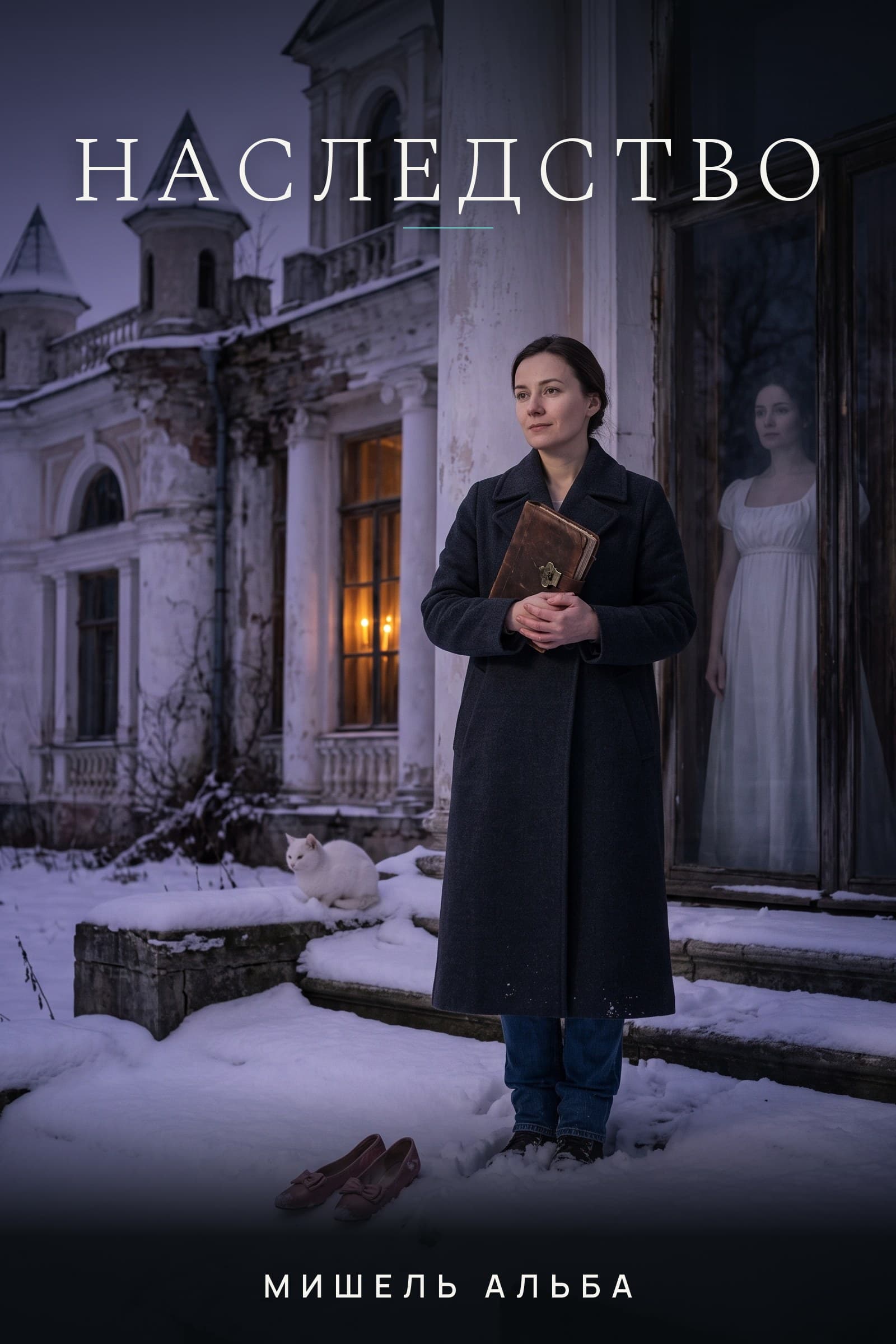
The Inheritance: a pair of slippers
Sandra's door is the most domestic — and, perhaps, the most beautiful. In the boarded-up house in the Tver province she finds the house slippers of her ancestor Varenka: «warm burgundy satin with golden snake-like stitches, without a single seam», a rose sprinkled with golden «dew», a heel shaped like a tiny wine glass. When she puts them on, the house around her changes. The garden is in bloom, servants walk past, an aunt calls for the cat — and nobody sees Sandra.
«Well, there's a trick! So I am the ghost here!»
What the doors have in common
A laboratory, a hospital, a book on a plane, a hypnotist's study, a fortune-teller's hut, a bedroom. Six different thresholds — and one rule behind all of them. The door opens only when the heroine is ready to accept that the past is not over. And whoever walks through it never comes back quite the same.